

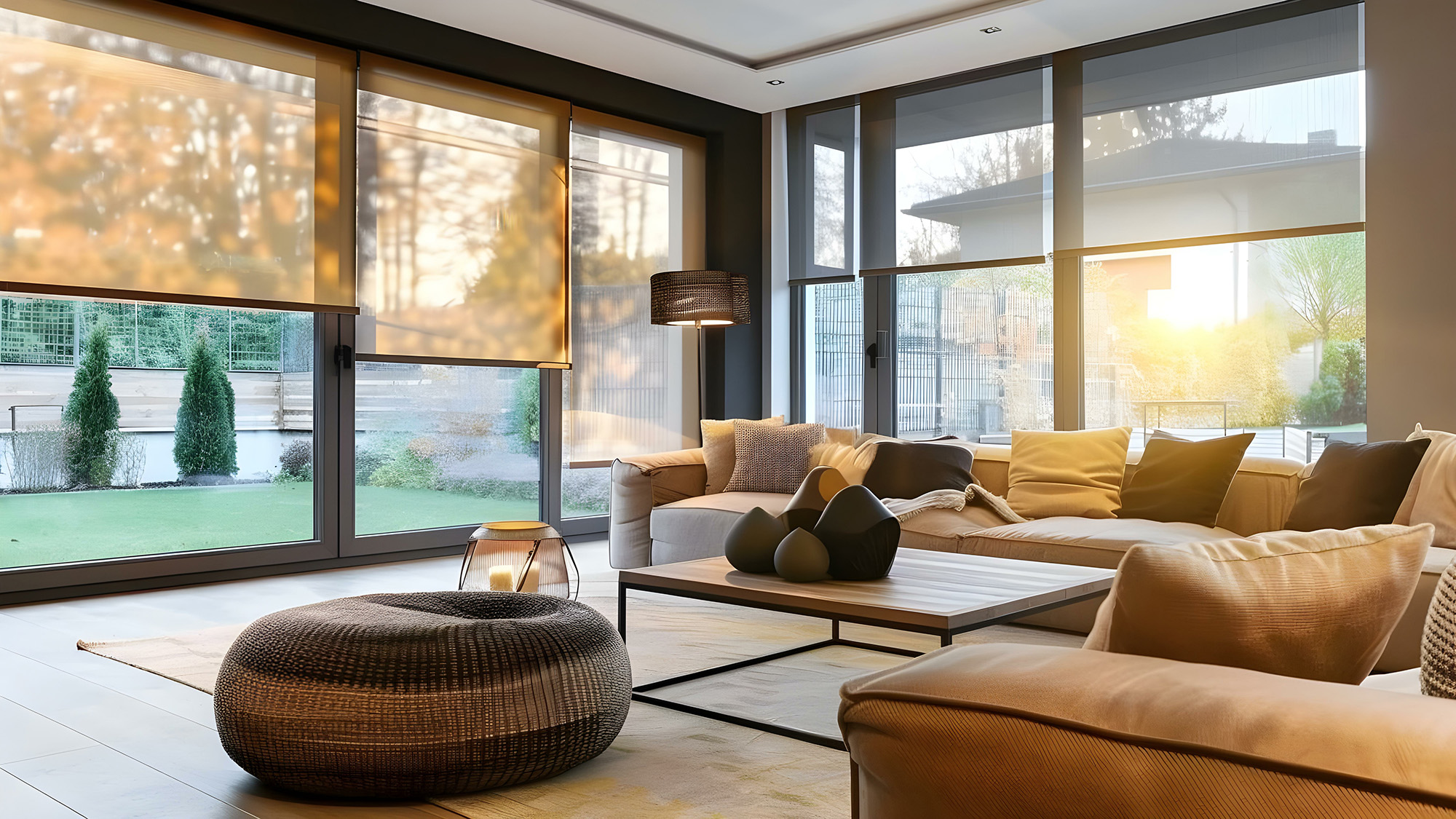
Every room in a home interacts with natural light differently. Morning sunlight may brighten a kitchen, afternoon glare may make a home office uncomfortable, and street-facing windows may leave a bedroom or living room feeling exposed after dark. These challenges are common in homes throughout Bethel Park and Pittsburgh's South Hills, yet the solution is not always to choose the thickest curtain or the darkest shade available. The most effective window treatment is the one that responds to the room's actual needs while complementing its design.
Window treatments can help homeowners manage privacy, soften daylight, reduce distracting glare, and create a more finished interior. The available fabrics and operating styles also offer opportunities to introduce color and texture without making permanent changes to the room. By approaching each window individually and then coordinating the results across the home, you can create a practical arrangement that supports the way your household lives.
Start With the Direction of the Sun
The direction a window faces influences when sunlight enters the room and how that light affects everyday activities. A window that receives bright morning sun may create a different challenge from one exposed to strong afternoon light. The surrounding landscape, nearby buildings, roof overhangs, and tree coverage can also change the amount of light that reaches the glass.
Spend time observing the room at different points throughout the day before deciding which treatment to use. Notice when the room becomes too bright, when glare appears on television or computer screens, and whether sunlight makes a seating area uncomfortable. These observations can help you decide whether the window needs a light-filtering fabric, a more substantial covering, or a layered combination that provides several levels of control.
Choose Treatments That Support Privacy
Privacy is often a primary concern for windows that face a street, driveway, sidewalk, or neighboring property. In these locations, homeowners may want to enjoy daylight without feeling that the room is on display. The best approach depends on the window's position, how close other homes are, and whether the space is used mostly during the day or evening.
Light-filtering fabrics and layered treatments can help create a useful balance, but not every fabric provides the same degree of privacy. A sheer material may soften the view during daylight while allowing silhouettes to become more visible after interior lights are switched on. If nighttime privacy is important, ask about a more substantial layer or another suitable treatment that provides the level of coverage your household expects.
Make the Living Room Comfortable Without Blocking Every View
The living room often needs to accommodate several activities, from watching television and reading to entertaining guests and relaxing in natural light. A window treatment that provides only one level of coverage may not be flexible enough for all these situations. Layered drapery can offer a softer appearance during the day and additional coverage when the room is being used in the evening.
Fabric choice can also influence how the room feels. Textured neutrals can complement a variety of furniture styles, while a subtle pattern may bring together colors already present in the room. If the living room has several windows, consider how the treatments will appear from the main seating area and how they relate to adjoining spaces. Coordinated fabrics and consistent hanging heights can make the entire room feel more considered.
Create a More Restful Bedroom
A bedroom needs to support privacy and comfort, particularly when the windows face a streetlight, a neighboring property, or early morning sunlight. Depending on the room and the household's preferences, a more substantial fabric or a layered arrangement may provide greater flexibility than a lightweight covering alone. The aim is to create an environment that suits your routine without making the room feel unnecessarily heavy.
Color and texture also contribute to the bedroom's appearance. Soft neutrals can create a quiet backdrop, while deeper colors can add contrast around the windows. If the walls are already colorful, a complementary fabric may help balance the room; if the walls are understated, the window treatment can introduce another layer of visual interest. Consider how the fabric will look with the bedding, headboard, lighting, and other furnishings before making the final choice.
Reduce Distracting Glare in a Home Office
Working from home can make window placement more important than it was before. Bright sunlight can create reflections on computer screens, while a window directly behind a monitor may make it harder to see the display comfortably. The challenge is to manage the incoming light without making the workspace feel dark or disconnected from the outdoors.
Look at the position of your desk and monitor before selecting the treatment. In some rooms, changing the desk orientation may reduce the problem; in others, a suitable window covering can provide the necessary flexibility. Consider how much daylight you want to preserve, whether the treatment needs frequent adjustment, and how the fabric or shade will look alongside the office furniture. The best arrangement is one that works with the layout rather than forcing you to keep the covering closed all day.
Give Kitchens and Dining Areas Their Own Solutions
Kitchens and dining rooms have different requirements from bedrooms and formal living spaces. A kitchen window may be positioned above a sink or work surface, where easy operation and practical maintenance matter more than elaborate fabric arrangements. A dining room, by contrast, may benefit from drapery that adds softness and creates a more welcoming setting for meals and gatherings.
Before choosing a treatment for a kitchen, consider nearby water, cooking activity, ventilation, and the amount of clearance available around the window. For dining rooms, think about how the treatment relates to the table, chairs, lighting fixture, and wall color. Selecting a style based on the room's function can help you achieve a coordinated result without compromising everyday usability.
Use Fabric to Connect Different Rooms
Window treatments can become a useful part of the home's overall color scheme. A fabric that picks up a color from a rug, chair, or decorative accessory can make the room feel more cohesive, while a subtle contrast can introduce depth without overwhelming the interior. The choice does not need to match every surface exactly; often, a shared undertone or related texture is enough to create a connection.
For homes with open layouts, consider the treatments from the perspective of the adjoining rooms. Two spaces may use different window coverings because their privacy and light requirements differ, yet still feel connected through coordinated fabrics or hardware. D.L Richie Paint n' Decorating Center's selection of fabric books gives homeowners an opportunity to compare options in person and consider how the materials will work alongside their existing decorating choices.
Understand the Difference Between Light Filtering and Room Darkening
Terms used to describe window coverings can sound similar while referring to different levels of light control. A light-filtering treatment generally softens incoming daylight rather than blocking it completely, while a room-darkening or blackout option is intended to reduce much more incoming light. The actual result depends on the product, its installation, and the amount of light that can enter around the edges.
Think about the outcome you want instead of choosing based on a label alone. A living room may benefit from softened daylight, while a bedroom may need greater darkness at certain times. If you are unsure, explain how the room is used and ask which options are most appropriate. Understanding the expected performance before ordering can help you avoid a treatment that looks right but does not meet your practical needs.
Pay Attention to Measurements and Placement
Even a well-chosen fabric can look disappointing if the treatment is poorly proportioned. Window width, ceiling height, the position of the frame, and the location of furniture all influence how the finished covering should be arranged. Panels that are too narrow may appear skimpy, while an unsuitable hanging height can make the room feel visually unbalanced.
Measure carefully and consider how the treatment will operate in the actual room. Check whether handles, window locks, radiators, built-in seating, or nearby furniture could interfere with movement. For larger or unusually shaped windows, discussing the measurements and installation requirements with a specialist can help you make a more informed decision before committing to a fabric or style.
Consider Maintenance Before You Fall in Love With a Fabric
Window treatments are exposed to sunlight, dust, and everyday household activity. Some fabrics may require more careful cleaning than others, and the recommended maintenance can influence how suitable a particular material is for a busy family room, kitchen, or bedroom. Before choosing, ask about cleaning instructions, expected care, and any limitations associated with the fabric.
It is also worth considering how often you will open and close the covering and whether the window is easy to reach. A treatment that is simple to operate and maintain is more likely to fit naturally into your routine. These practical details may not be the first things you notice in a fabric sample book, but they can make a meaningful difference after installation.
Choose Window Treatments With the Whole Home in Mind
The most successful window treatment plan does not require every room to use the same fabric or style. Instead, each window should receive a solution that suits its light, privacy, and design requirements, while the overall selection feels connected. A thoughtful mix of textures, coordinated colors, and suitable levels of coverage can make the home more comfortable without sacrificing its individual character.
Homeowners in Bethel Park, South Park, Mount Lebanon, Upper St. Clair, and Canonsburg can explore the window treatment options at D.L Richie Paint n' Decorating Center and compare fabrics for different rooms. Visit the Bethel Park showroom to discuss your needs, or contact D.L Richie Paint n' Decorating Center to plan window treatments that balance privacy, daylight, and design throughout your home.


