

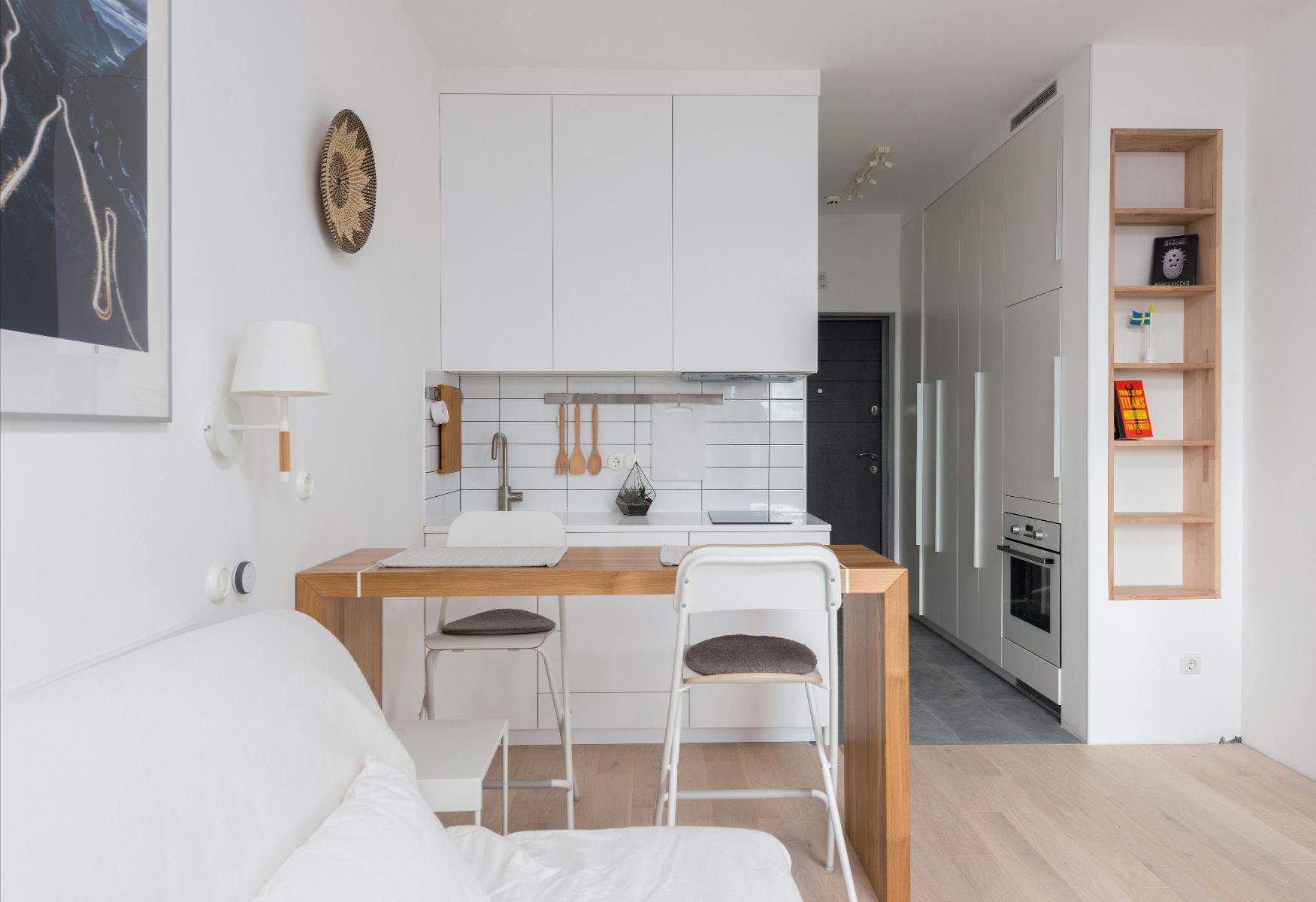
Modern home design often requires a balance between elegance and practicality. Many homeowners are discovering that combining hardwood and laminate flooring creates the perfect harmony between luxury and everyday resilience.
Hardwood shines in formal living areas, dining rooms, and master suites where its natural beauty can take center stage. Laminate, on the other hand, excels in high-traffic zones such as entryways, family rooms, and play areas. By thoughtfully blending the two, you can achieve both visual cohesion and functional efficiency.
The key to successful mixing lies in color coordination. Selecting laminate that closely complements hardwood tones ensures smooth transitions between rooms. Neutral shades often provide the most flexibility, allowing each flooring type to shine without clashing.
Transition strips and thresholds should be professionally installed to maintain a seamless appearance. Proper planning during the design phase ensures that flooring changes feel intentional rather than abrupt.
Layering design elements enhances cohesion. Area rugs can soften transitions and unify spaces visually. Consistent wall colors and trim further tie rooms together.
Budget planning also benefits from this approach. Installing hardwood in focal areas while using laminate in secondary spaces allows homeowners to prioritize investment strategically. This ensures high-impact spaces receive premium materials while maintaining overall affordability.
Functionality should guide placement decisions. Rooms exposed to higher wear and tear may benefit from laminate’s durability, while quieter spaces can highlight hardwood’s warmth.
At D.L Richie Paint n' Decorating Center, the showroom in Bethel Park, PA offers side-by-side comparisons to help homeowners visualize combinations. Seeing materials in person simplifies decision-making and sparks creative ideas.
Whether you’re renovating a home in South Park, updating a space in Mount Lebanon, or building new in Upper St. Clair or Canonsburg, blending laminate and hardwood can deliver both sophistication and practicality.
A thoughtfully designed floor plan doesn’t rely on one material alone — it uses each surface strategically to enhance comfort, style, and longevity.


