

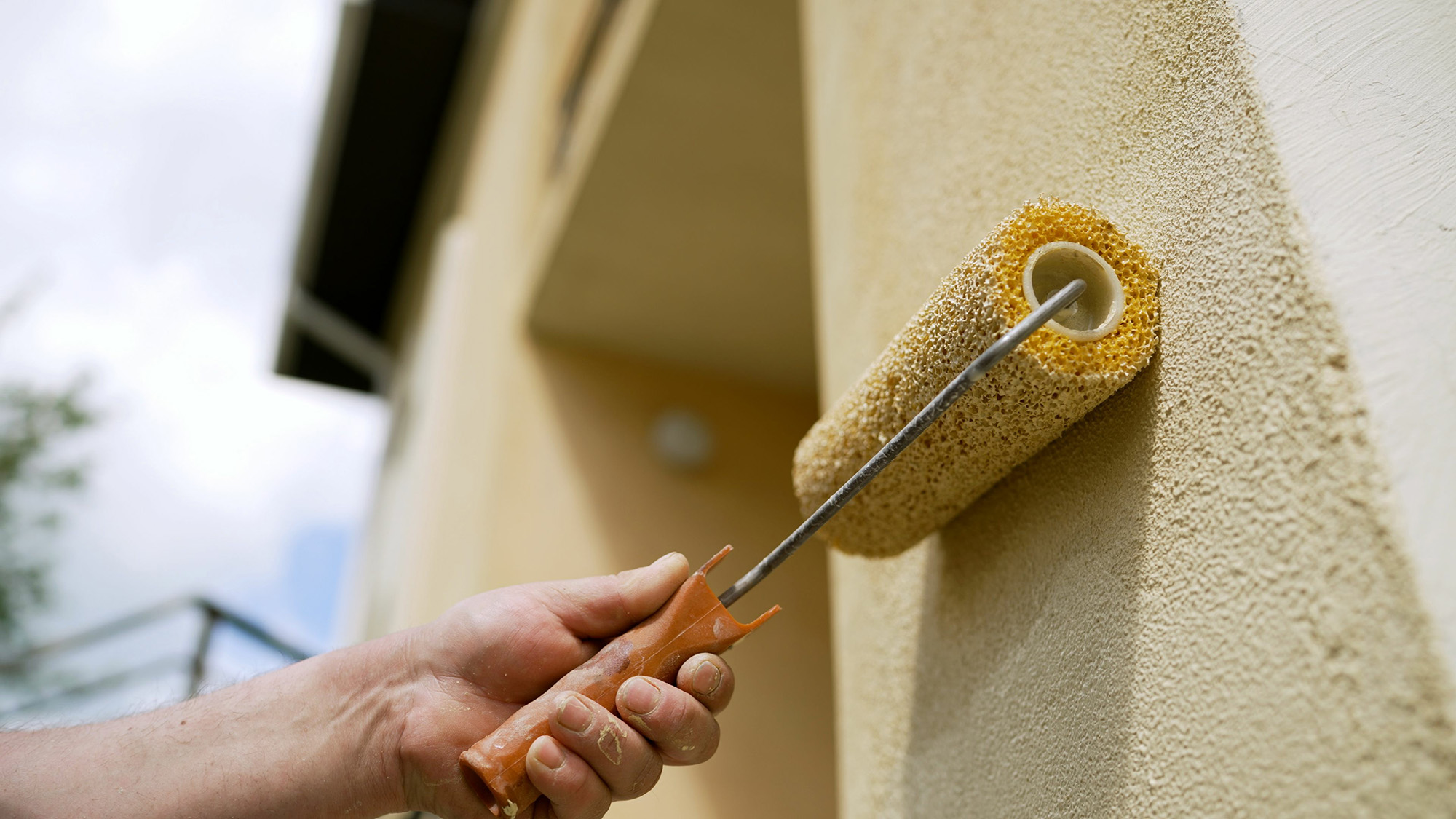
Your home's exterior is exposed to changing weather throughout the year, making exterior painting about much more than choosing an attractive color. Sunlight, rain, moisture, temperature changes, and ordinary wear can affect painted surfaces over time, particularly on trim, doors, railings, and other exposed details. For homeowners in Bethel Park, South Park, Mount Lebanon, Upper St. Clair, and Canonsburg, a well-planned exterior painting project can refresh the appearance of a property while helping maintain the surfaces that contribute to its overall condition.
The most successful results begin before the first coat of paint is applied. Choosing a suitable color scheme, assessing the condition of existing finishes, preparing the surfaces, and selecting products for the materials being painted all influence the final outcome. Whether you are planning a complete exterior update or concentrating on weathered trim and a front entrance, approaching the project systematically can help you avoid decisions that look good on a sample but do not suit the home or its surroundings.
Assess the Exterior Before Choosing Colors
Before deciding on a new color scheme, walk around the property and look carefully at the existing surfaces. Siding, trim, shutters, doors, porch railings, and other architectural details may be in different conditions, and some areas may need more preparation than others. Peeling paint, cracked caulk, damaged wood, stains, and areas of persistent moisture should be identified before the scope of the painting project is finalized.
It is also important to understand which materials are being painted. Wood, masonry, metal, and previously coated surfaces can have different preparation and product requirements. A color change may be relatively simple in one area but require additional work elsewhere because of the existing finish or condition. Reviewing the property first helps ensure that the project addresses both its appearance and the practical needs of the surfaces.
Choose Exterior Colors That Suit Your Home's Architecture
The best exterior palette works with the structure of the home rather than competing with it. Traditional houses may suit classic combinations with a main body color and contrasting trim, while more contemporary properties may benefit from a restrained palette with fewer competing shades. The roof, masonry, landscaping, and neighboring homes can all influence how a proposed color scheme looks once it is applied across the exterior.
Warm whites, natural neutrals, muted greens, and deeper accent colors offer different ways to refresh a home's appearance, but no single palette works for every property. Consider the architectural details you want to emphasize and whether the existing materials will remain unchanged. Testing samples on the exterior is useful because sunlight can make colors appear substantially different from how they look indoors or on a small paint card.
Use Trim Paint to Highlight Architectural Details
Trim can have a major influence on curb appeal because it outlines the features that give a home its character. Window frames, door casings, porch columns, fascia, shutters, and decorative molding can become more noticeable when their paint is refreshed. A carefully chosen trim color can provide contrast against the main exterior color or create a more understated appearance when the two shades are closely related.
Before selecting a contrasting color, consider how many separate details will receive it. A strong accent may look attractive on a front door but become overwhelming if it is repeated across every architectural feature. On the other hand, using the same trim color consistently can help the exterior feel organized and balanced. Compare the colors with the roof, stonework, and other materials that will remain in place.
Give the Front Door Its Own Consideration
The front door often serves as a natural focal point because visitors approach it directly and it sits within the main entrance. A refreshed door can help the home feel more welcoming, especially when the surrounding trim and porch details are in good condition. Depending on the architecture, the door can coordinate closely with the main palette or introduce a more distinctive accent that draws attention to the entrance.
Before choosing the finish, consider the door's material, existing coating, exposure to sunlight, and frequency of use. Doors experience repeated contact and may need a product appropriate for the surface and conditions. Preparation is equally important: the existing finish should be assessed, and any necessary cleaning, sanding, repairs, or priming should be completed according to the product requirements before the new paint is applied.
Preparation Is the Foundation of a Successful Paint Job
One of the most important parts of exterior painting is preparing the surface properly. Loose or peeling paint, dirt, mildew, failed caulk, and damaged areas can affect how a new coating adheres and how the finished surface looks. Simply covering these problems with fresh paint may produce an attractive result initially, but it does not address the underlying condition that contributed to the deterioration.
The appropriate preparation depends on the surface and the condition of the existing coating. Work may include cleaning, scraping loose paint, sanding, repairing damaged material, replacing unsuitable caulk, and applying primer where needed. Some conditions require additional investigation before painting, particularly when moisture intrusion or deteriorating wood is present. A careful assessment helps establish what needs to be addressed before the finish coat is applied.
Pay Attention to Pittsburgh-Area Weather Conditions
Exterior painting needs suitable weather conditions for the selected product to perform as intended. Temperature, humidity, direct sunlight, and the possibility of rain can all influence application and drying. The weather can also vary across a single day, so choosing an appropriate work period involves more than checking whether the sky looks clear when the project begins.
Follow the manufacturer's requirements for application temperature, surface conditions, and drying time, and avoid assuming that every exterior paint behaves the same way. Surfaces should be prepared and dry as required, and the project should be scheduled with the local forecast in mind. Proper timing gives the coating a better opportunity to develop the finish and performance described by the manufacturer.
Select Paint for the Material, Not Just the Color
Exterior products are designed for different surfaces and conditions, so the right choice depends on what is being painted. A product suitable for one type of siding may not be appropriate for a metal railing or a previously coated door. The existing finish, the condition of the surface, and the manufacturer's application instructions should all be considered before materials are purchased.
Primer may also be necessary depending on the substrate, the existing coating, and the type of paint being used. Choosing compatible products helps create a more reliable system than selecting each component independently. If several materials are being painted as part of one project, identify the requirements for each surface rather than assuming one product will be suitable everywhere.
Refresh Porches, Railings, and Other High-Visibility Features
A full exterior repaint is not always the only way to improve a home's appearance. In some cases, worn porch railings, columns, shutters, or trim may be the features that make the property look tired. Updating these areas can create a more maintained appearance while allowing homeowners to preserve a main exterior color that still suits the house.
However, smaller painting projects still require suitable preparation and product selection. Railings and other frequently touched surfaces may experience different wear from siding, while horizontal surfaces can face additional moisture exposure. Assessing the condition of each feature helps determine whether repainting is appropriate or whether repairs should be completed first. A coordinated approach can also prevent freshly painted details from making neglected areas nearby appear even more noticeable.
Plan Around Landscaping and Fixed Exterior Materials
Exterior colors are seen alongside more than the walls of the house. Trees, shrubs, flower beds, walkways, stonework, roofing, and neighboring properties all form part of the visual setting. A color that looks appealing on a sample may appear different when surrounded by mature greenery or placed next to brick and stone. Considering these permanent features helps you select a palette that feels appropriate to the property.
Look at the house from the street as well as from the driveway and porch. Notice which features draw the eye and whether the proposed trim color creates the balance you want. If you intend to keep the landscaping or roof unchanged, treat those elements as fixed parts of the color scheme. This can make it easier to narrow the options and avoid selecting a shade that conflicts with an expensive feature you are not planning to replace.
Understand the Scope of the Project Before Work Begins
Exterior painting estimates can vary depending on the amount of preparation, the number of surfaces involved, the condition of the existing coating, and the accessibility of the areas being painted. Two properties with similar square footage may require very different amounts of work if one has extensive trim, peeling paint, or damaged surfaces. Understanding what is included in the project is therefore an important part of comparing options.
Ask which surfaces will be painted, what preparation is included, whether repairs are anticipated, and which products are being considered. It is also useful to discuss how the work will be scheduled around weather conditions and how surrounding areas will be protected during the project. Clear communication before painting begins can help align expectations and reduce uncertainty once work is underway.
Make Exterior Maintenance Part of Your Long-Term Plan
Even a well-executed exterior paint job benefits from periodic inspection. Look for peeling, cracking, damaged caulk, exposed material, or areas where water appears to collect. Addressing a developing issue early may help prevent it from becoming a larger repair, although the appropriate response depends on the cause and condition of the surface. Regular observation is especially useful around joints, trim, and other areas that experience repeated exposure to moisture.
Maintenance requirements vary according to the product, the substrate, the home's exposure, and the quality of the original preparation. Rather than assuming that every painted surface will last for the same length of time, follow the manufacturer's guidance and assess the actual condition of the exterior. A thoughtful maintenance approach helps you plan future work based on what the property needs rather than relying solely on a fixed timetable.
Give Your Home a More Cohesive Exterior
Exterior painting is an opportunity to refresh the home's appearance while giving attention to the surfaces that protect and define it. A suitable color palette, properly prepared materials, compatible paint products, and careful scheduling all contribute to the finished result. Whether you are updating the entire exterior or concentrating on trim, shutters, railings, and the front door, the project should be planned around the home's architecture and the condition of its existing surfaces.
D.L Richie Paint n' Decorating Center offers painting services for homeowners planning an exterior refresh. If your home is in Bethel Park, South Park, Mount Lebanon, Upper St. Clair, or Canonsburg, you can discuss your exterior painting goals and the work your property may require. Contact D.L Richie Paint n' Decorating Center to start planning a paint project that brings renewed curb appeal to your home.


