

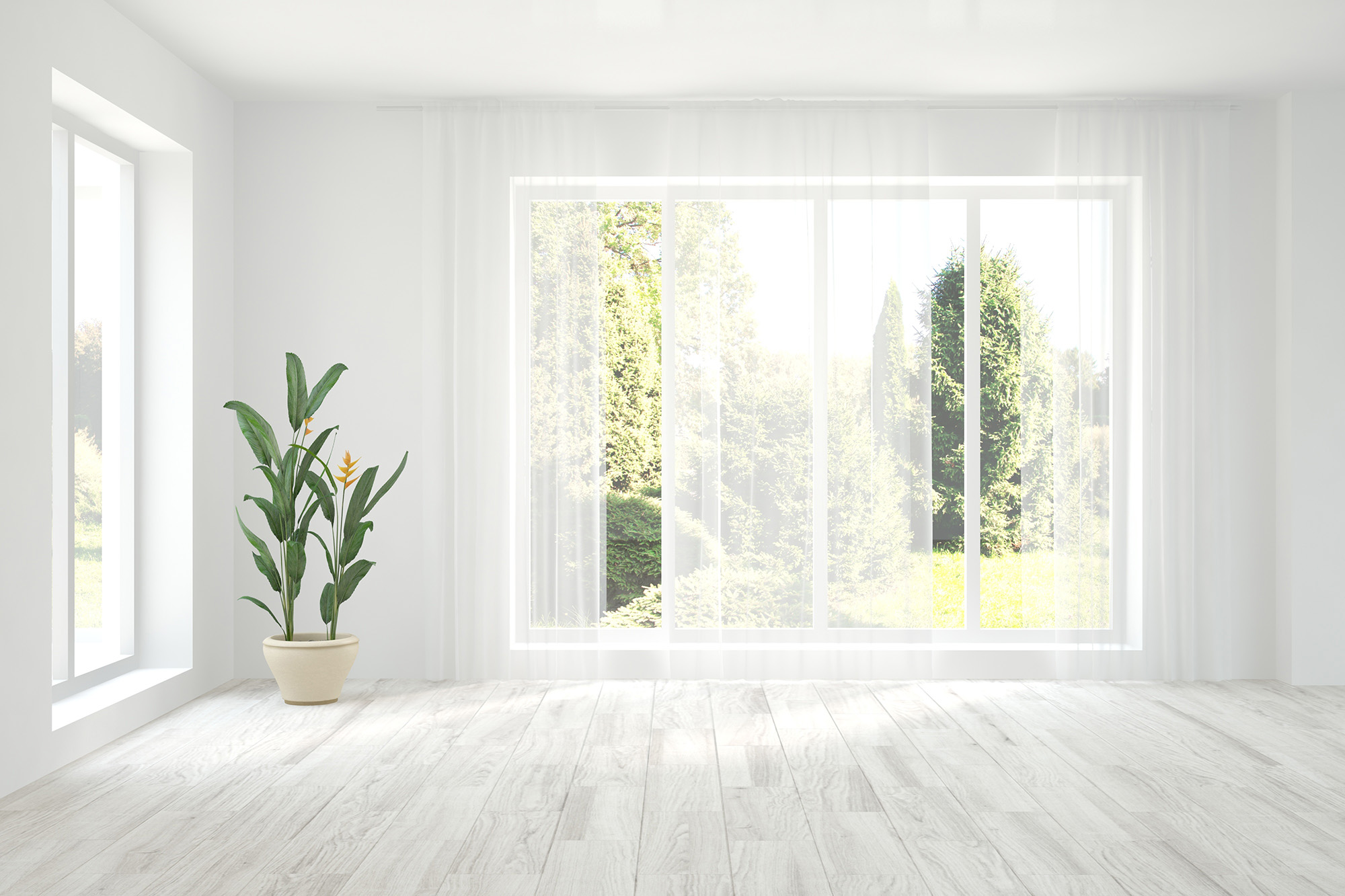
Windows influence far more than the view outside your home. They determine how natural light moves through a room, how much privacy you enjoy, and how finished your interior feels. Yet window treatments are often chosen late in a decorating project, after the furniture, paint, and accessories have already been selected. In homes throughout Bethel Park, South Park, Mount Lebanon, Upper St. Clair, and Canonsburg, thoughtfully chosen window treatments can bring these elements together while making everyday living more comfortable.
One of the most versatile approaches is to combine different types of window coverings rather than relying on a single layer. A light-filtering fabric treatment can soften daylight, while a second layer can provide additional privacy or darkness when needed. With the right combination of fabrics, colors, and operating styles, layered window treatments can suit traditional homes, contemporary interiors, and everything in between. The key is to understand what each window needs before choosing the finished look.
Why Layered Window Treatments Are Worth Considering
Layering gives homeowners more flexibility than a single curtain or shade can provide on its own. For example, a sheer or light-filtering layer can soften bright daylight without making a room feel closed off, while a more substantial drapery panel can provide additional privacy in the evening. This arrangement allows you to adjust the room throughout the day instead of choosing between an uncovered window and a completely covered one.
Layering can also introduce depth and texture into a room. Fabric adds softness to spaces with hard surfaces, while carefully selected colors can connect window treatments with upholstery, wall paint, rugs, and other decorative details. The finished arrangement should feel like part of the overall interior design rather than an accessory added after everything else has been completed.
Start With What Each Room Needs
Before selecting fabric books or browsing designs, consider how each room is used. A living room may benefit from flexible daylight control that preserves the view during the day, while a bedroom may require greater privacy and the option to reduce incoming light. A home office might need a treatment that helps control glare on computer screens, whereas a dining room may call for a more decorative arrangement that complements the furniture and creates a welcoming atmosphere.
Window direction, neighboring homes, room layout, and the amount of sunlight the space receives can all influence the decision. A window facing a nearby sidewalk may need a different approach from one overlooking a private backyard. Evaluating these details first makes it easier to select a treatment that works in everyday use, rather than choosing a fabric simply because it looks appealing in a sample book.
Choose Fabrics That Complement Your Interior
Fabric is one of the most important elements of a custom window treatment because it affects the color, texture, drape, and overall character of the finished arrangement. Linen-inspired textures can create a relaxed atmosphere, while more structured fabrics may suit formal living and dining rooms. Subtle patterns can add interest without dominating a space, and solid colors can provide a calm backdrop for artwork, furniture, and other decorative features.
D.L Richie Paint n' Decorating Center has added 17 new fabric books for customers to explore, giving homeowners more opportunities to compare colors, patterns, and textures when planning their window treatments. Looking through fabric samples in person can make the selection process more useful because you can compare different materials side by side and consider how they relate to your existing furnishings. A fabric that looks understated on its own may become a defining feature when installed across a wide window.
Use Sheer and Heavier Fabrics for Different Purposes
Sheer fabrics can soften incoming daylight and introduce a gentle layer across a window without completely hiding the view. They are particularly useful in living areas where homeowners want to maintain a bright atmosphere while reducing the stark appearance of direct sunlight. Depending on the fabric and the conditions outside, however, sheers may provide limited privacy after dark when interior lights are switched on.
Heavier drapery can provide a stronger visual presence and additional coverage when needed. When paired with a lighter layer, it creates a flexible arrangement that can be adjusted to suit different activities and times of day. The two fabrics do not need to match exactly; a coordinated combination of color, texture, and weight can create a more considered look than using identical materials throughout.
Make Window Treatments Part of Your Color Scheme
Window treatments can either blend into the surrounding room or create a deliberate focal point. Treatments in a similar tone to the walls can make a space feel more continuous, while a contrasting fabric can frame the window and introduce definition. Both approaches can work well, provided the choice relates to the room's existing colors and proportions.
Consider the undertones of your wall paint, flooring, furniture, and trim before settling on a fabric. Warm white walls may pair naturally with beige, muted green, or soft brown fabrics, while a cooler interior may call for a different balance. It is also worth viewing samples in the room itself because daylight and artificial lighting can change how a fabric appears. Taking time to compare the materials together can help avoid a finished arrangement that looks disconnected from the rest of the space.
Think About Privacy Before Choosing the Style
Privacy needs vary significantly from one window to another. A front-facing living room may require coverage in the evening while preserving daylight during the day, whereas a bedroom may need more consistent coverage. The location of neighboring houses, the height of the windows, and the angle from which people can see inside should all be considered before selecting a treatment.
It is important to distinguish between light filtering and privacy. Some lightweight fabrics soften the view without completely obscuring it, and the level of privacy can change depending on the lighting conditions. Ask how a particular fabric behaves during both daytime and nighttime use, and consider whether a second layer would provide the flexibility your household needs.
Choose the Right Fullness and Hanging Height
The way fabric is arranged can make a substantial difference to the finished appearance. Drapery that is too narrow for the window may look stretched or sparse, while an appropriate amount of fullness can create a softer, more substantial effect. The heading style, hardware, and placement of the treatment also influence how the fabric falls and how the window is framed.
Mounting height and panel length deserve attention before measurements are finalized. Treatments placed higher than the window frame can help draw the eye upward, while panels that finish close to the floor can create a more tailored appearance. The right arrangement depends on ceiling height, furniture placement, window dimensions, and the overall style of the room. Professional measurement can help account for these details before the fabric is ordered.
Coordinate Treatments Across Open Living Spaces
Open-plan homes often include several windows that are visible from one main area. Using the same treatment throughout every space is not always necessary, but the choices should relate to one another. Coordinated colors, complementary fabric textures, or consistent hardware can help the rooms feel connected while allowing individual windows to have different levels of coverage.
For example, a living room and dining room might share a similar drapery fabric, while a nearby kitchen uses a different treatment that better suits the window's location and everyday use. The aim is to create a common design language rather than force every room into an identical arrangement. Thinking about the view from adjoining spaces can help you make choices that look intentional from more than one angle.
Consider Operation and Everyday Maintenance
A beautiful window treatment should also be practical to operate and maintain. Consider how frequently the covering will be opened and closed, whether furniture could obstruct access, and whether the window is difficult to reach. These details are especially important for large windows, wide openings, and rooms where the amount of daylight changes throughout the day.
Fabric care is another consideration. Different materials may have different cleaning requirements, and exposure to sunlight can affect some fabrics over time. Ask about the recommended care for the materials you are considering and how the treatment should be handled during routine cleaning. Selecting a fabric that suits your household's maintenance preferences can help keep the finished arrangement looking its best.
Plan Your Window Treatments Before the Room Is Finished
Window treatments are easier to coordinate when they are considered alongside paint, furniture, lighting, and other design choices. If you are renovating a room, gather fabric samples while selecting the wall color so you can compare the materials before making a final decision. If the room is already furnished, use the existing colors and textures as a starting point rather than treating the window as an isolated design feature.
Custom window treatments are an opportunity to combine practical requirements with personal style. By considering light control, privacy, fabric, measurements, and the wider room design, you can create a solution that feels appropriate to your home rather than relying on a one-size-fits-all approach.
Homeowners in Bethel Park, South Park, Mount Lebanon, Upper St. Clair, and Canonsburg can explore the window treatments available through D.L Richie Paint n' Decorating Center and discover fabric options suited to their interiors. Visit the Bethel Park showroom to compare samples and discuss your ideas, or contact D.L Richie Paint n' Decorating Center to get started on window treatments designed around your home's privacy, lighting, and decorating needs.


